
Regulatory Updates Affecting Pharmaceutical Third Party Manufacturing in 2026
Browse 3,500+ WHO-GMP certified PCD pharma companies offering monopoly franchise rights across all 28 states. Compare pricing, products & territory — for free.
Our expert connects you with the best PCD company within 24 hours
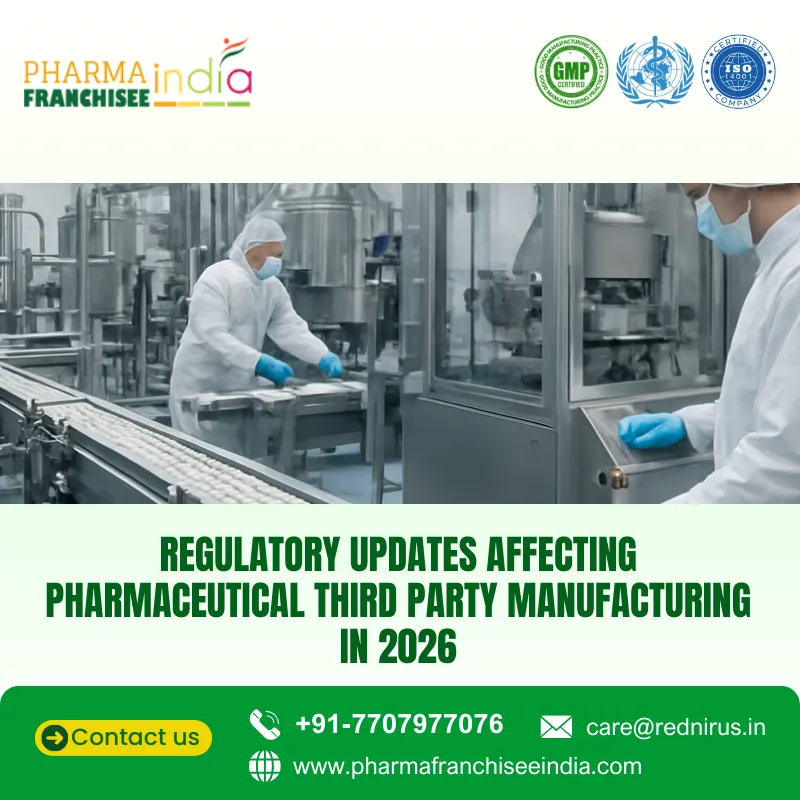
The pharmaceutical third party manufacturing sector is seeing many important changes in 2026. New rules focus on quality, clear records, safety, and better manufacturing systems. Many people use this third party manufacturing model because it is simple, and the cost is low. The updates guide companies to follow clean manufacturing steps at every level. They also help partners who work in 3rd party manufacturing and want smooth work. A third party medicine manufacturer also follows the same rules to keep trust and supply safe.
These updates shape the future of this manufacturing sector. They also help anyone working with third party pharma partners. In this blog, we explain the main regulatory changes. We also explain how these changes improve the pharmaceutical third party manufacturing model in 2026.
Why Are New Regulations Important for Pharmaceutical Third Party Manufacturing in 2026?
The pharmaceutical third party manufacturing model needs clear rules. These rules help keep products quality high. They also build trust with people who depend on these products. Many new changes came in 2026. They aim to improve systems, records, safety, and checks. Below are points that show why these updates matter:
1. Stronger Quality Rules
New rules focus on better quality manufacturing steps. This means each item should pass quality checks. Companies must follow simple but strict steps. They must keep clean places, clean tools, and safe handling. This gives better results and fewer mistakes.
2. Better Record Tracking
Every manufacturing step now needs a clear record. Records help trace the source. They show what was used and how it was handled. This makes tracking simple when any issue appears. Better records also help in audits.
3. Safe Work Zones
Rules now focus on clean and safe zones. Simple steps like proper storage and safe handling keep items stable. This helps in a smooth supply. It also keeps the quality the same from start to end.
4. Transparency in Processes
Transparency is a key point in 2026 updates. This means companies must show clear manufacturing steps. They must explain how items move from one step to the next. This helps partners in 3rd party manufacturing understand what is happening at each level.
What Are the Main Regulatory Changes for 2026?
Regulatory updates touch every step of pharmaceutical third party manufacturing. Changes include new quality norms, digital records, inspections, and safety rules. Below are some major updates that shape the manufacturing model in 2026:
1. Digital Record System
Many rules now require digital records. These records help remove mistakes. They also make audits simple and fast. Digital systems help save time. They also reduce confusion when different teams work together.
2. Updated Quality Checks
Quality checks are now stronger. Every batch must pass quality tests. Simple steps like better sampling and clear labels are now compulsory. This keeps the quality same. It also makes it easy for partners to trust the supply.
3. More Inspections
Inspections are more common now. They help keep processes in line. They check the place where items are made. They also check storage. Frequent checks keep all steps clean and safe.
4. New Safety Instructions
Safety rules cover handling, storage, and transport. These help keep items safe and stable. Companies must follow simple handling tips. These steps protect quality even during travel.
How Do These Updates Affect 3rd Party Manufacturing Partners?
The updates improve the 3rd party manufacturing model. They help partners follow uniform rules. They also reduce the chance of errors. Below are some important ways these updates affect all partners in this model:
1. Clearer Work Steps
Partners now follow clear steps. Clear rules remove confusion. They make work simple and help maintain quality at all stages.
2. Easier Tracking
Digital systems make tracking fast. You can trace each step. This helps when you need proof or when checking for any errors. It brings trust and smooth cooperation.
3. Better Time Management
New rules help save time. There is less paperwork and quick tracking. There is fast clearance. All these help partners follow timelines.
4. Stable Supply Chain
Safety steps help keep the supply stable. Clean handling prevents waste. Clear records prevent loss. These bring a smooth supply each month.
How Does Pharmaceutical Third Party Manufacturing Improve with New Rules?
The pharmaceutical third party manufacturing sector becomes stronger with these updates. These rules push companies to follow clean systems. They also help partners stay confident. Here are points showing how these rules improve the manufacturing model:
1. Higher Reliability
Better checks and records bring trust. Customers and partners feel safe. They know every batch follows proper steps. This increases reliability.
2. Better Market Value
Companies that follow updates get better value. People trust them more. Their supply remains stable. This creates a stronger name in the sector.
3. Less Waste
Clear steps reduce waste at many levels. Proper handling protects the items. Safe storage also prevents damage. This improves total efficiency.
4. Smoother Coordination
Digital systems and clear rules help teams work together. They remove delays and confusion. This leads to fast responses.
How Will Regulatory Changes Shape the Future of 3rd Party Manufacturing?
The future of 3rd party manufacturing looks stronger with 2026 updates. More companies follow strict rules. This brings better quality and more trust.
1. Growth in Clean Production
Simple and safe production steps help the sector grow. Consistent quality leads to steady demand. Clean steps also reduce errors.
2. More Use of Digital Tools
Digital tools will increase. They help with tracking, planning, and record keeping. They also make inspections smooth.
3. Better Collaboration
Partners will work in better sync. Clear rules and shared digital systems make coordination simple. This helps both sides grow.
4. Fast Response to Issues
With clear records and strong checks, any issue will be found fast. This helps in fast solutions. It also protects trust.
Conclusion
The pharmaceutical third party manufacturing sector is changing fast in 2026. New rules help companies follow clean, safe, and clear manufacturing steps. These updates improve ISO-GMP certified quality and trust. They also support people working in 3rd party manufacturing by giving a better structure. With more digital records, better checks, and safer systems, the model becomes strong for the future. The sector will grow in a stable way as companies follow these updates and improve their work.
Read More: PCD Pharma Franchise in 2026: Investment, Margin, and Real Profit Analysis

Author : Surinder Thakur
Surinder Thakur has closely worked in the PCD franchise field for more than 20 years. With a background in pharmaceutical marketing, he understands both medicine and the business behind it. Through Pharmafranchiseeindia.com, he shares practical and honest guidance to assist pharma professionals make better decisions.